

Learning about how the brain works fascinates me. I have taken the university of Michigan course on “Finding Purpose and Meaning in Life” and it explains the neuroscience behind having and identifying a purpose. Here are my key takeaways
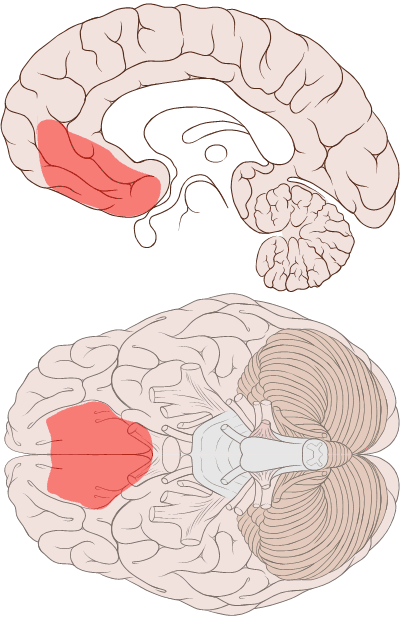
What part of your brain processes your purpose?
The ventromedial prefrontal cortex (vmPFC) activates when asked “Who are you?” and “What do you value?”. It is also the part of the brain that is responsible for decision making.
What is the importance of purpose?
Lower depression: In a study that compares people that have self transcending purposes (Eudaimonic) compared to those that have self enhancing purposes (Hedonic), it was found that the former had less depressive symptoms compared to the latter (E.H. Telzer et al, 2014). They did this by identifying how people felt rewarder when they were given a question:
- How would you spend this money on other people? (Eudaimonic)
- How would you spend it on yourself? (Hedonic)
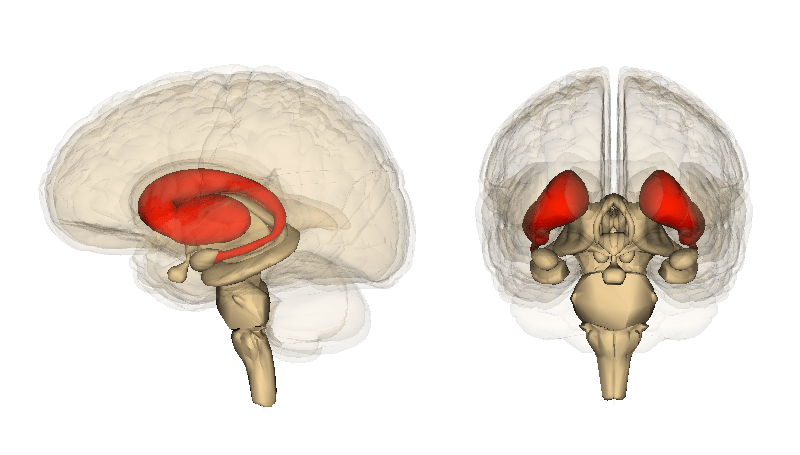
Depending on the person the blood flow to the ventral striatum which is responsible for feeling rewarded increased (E.H. Telzer et al, 2014). Accordingly we can split people into hedonic and eudaimonic based on neurological markers.
More responsive to health messaging: In another study (Y. Kang, 2017) a self transcendent mind was show to respond better to health messages compared to a self enhancing one. The study took 200 sedentary participants identified eudaimonic vs hedonic ones and compared the effects of giving health messages. The hedonic ones showed fear of the messages much more than eudaimonic ones.

How to find your purpose?
Finding a purpose
A simple way of starting to explore what matters to you is to ask yourself this list of questions from the University of Michigan:
- What matters most?
- Who relies on you?
- Who inspires you?
- What causes do you care about?
- What are you grateful for?
- What gets you out of bed in the morning?
- How do you want to be remembered?
Conclusion
Finding a purpose is important both from a behavioral, psychological, and biological perspective. What I learned from this course is that it is important to dedicate the time to self reflect given all the benefits laid out from different scientific papers.
References
- E. H. Telzer, A. J. Fuligni, M. D. Lieberman, and A. Galvan, “Neural Sensitivity to Eudaimonic and Hedonic Rewards Differentially Predict Adolescent Depressive Symptoms over Time,” Proceedings of the National Academy of Science (2014).
- Y. Kang, N. Cooper, P. Pandey, et al. “Effects of Self-Transcendence on Neural Responses to Persuasive Messages and Health Behavior Change.” Proceedings of the National Academy of Science 115 (2018): 9974-9979.
- Y. Kang, M.B. O’Donnell, V.J. Strecher, S.E. Taylor, M.D. Lieberman, E.B. Falk. “Self-Transcendent Values and Neural Responses to Threatening Health Messages.” Psychosomatic Medicine 79 (2017):379-387.
 Tech Leader


Leave a comment